Wales is an easy, friendly and safe country to travel in. Here are the practical basics.
Entry and visas
Wales is part of the United Kingdom, so UK immigration rules apply; there are no border checks between Wales and England. Many visitors who do not need a visa, including EU citizens, now need an Electronic Travel Authorisation (ETA) before travelling to the UK. Others need a visa. Rules change, so check the official UK government website before you go.
Money and costs
The currency is the pound sterling (GBP). Cards and contactless payments are accepted almost everywhere, even in small cafés, but carry a little cash for rural car parks, markets and honesty boxes. If a card machine offers to charge you in your home currency, choose pounds.
| Style | Rural Wales | Cardiff |
|---|---|---|
| Budget (hostel, pub food, buses) | Around £50–80 | Around £60–90 |
| Mid-range (hotel or B&B, restaurants, a tour) | Around £110–170 | Around £120–190 |
| Comfortable (country-house hotels, private tours) | Around £250+ | Around £250+ |
These are rough estimates. Check current prices.
Safety
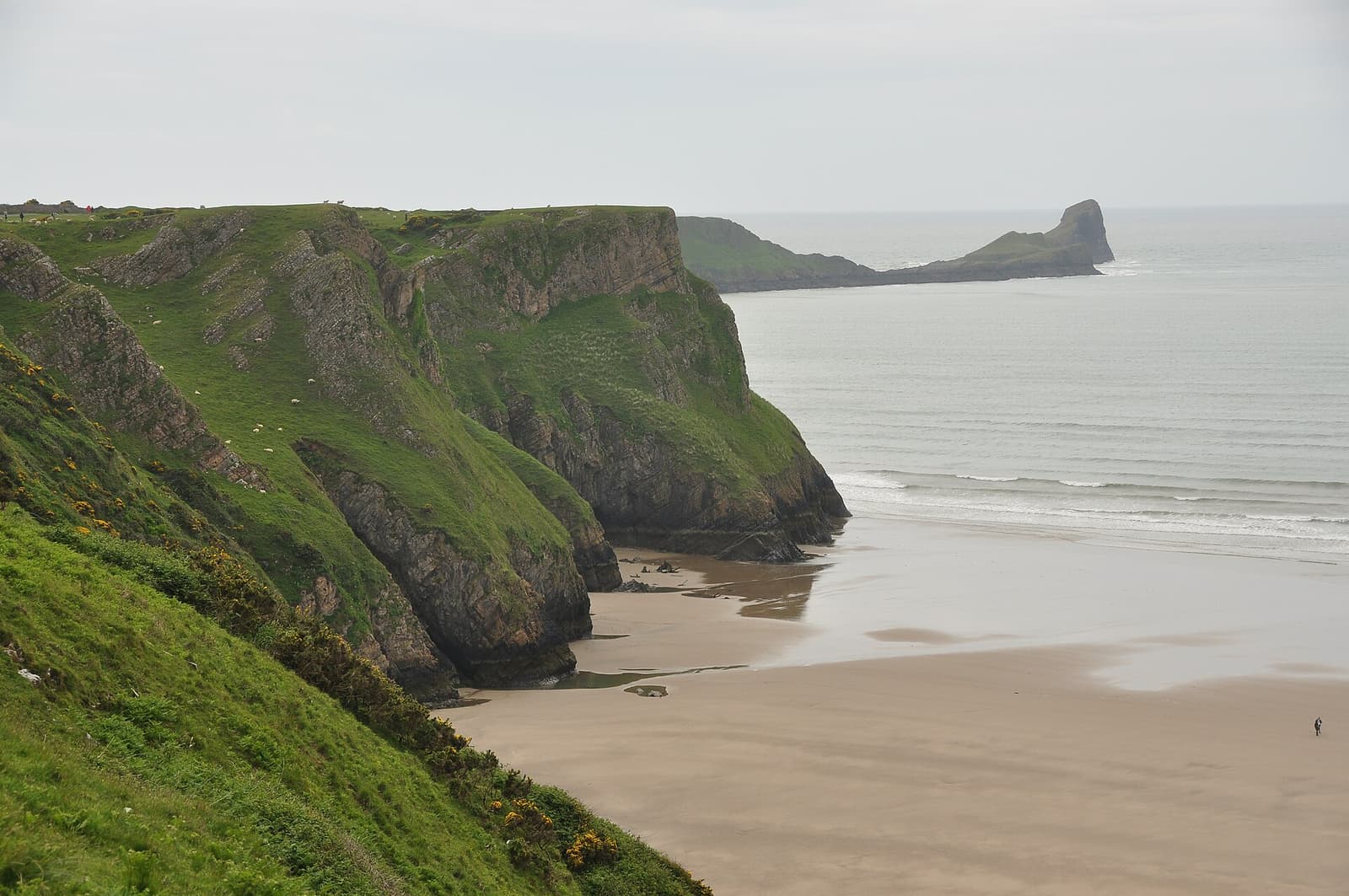
Wales is a safe country with low crime. The main risks are outdoors: changeable mountain weather, unfenced cliffs and fast tides. Check the forecast and tide times, keep to paths, and tell someone your plans on long walks. The emergency number is 999 (112 also works); ask for the coastguard or mountain rescue if needed.
Language
Welsh and English are both official. You will see Welsh first on many signs. Useful words: bore da (good morning), diolch (thank you), iechyd da (cheers), croeso (welcome). Pronunciation is regular once you know the rules: “w” is often a vowel (like “oo”), “dd” sounds like the “th” in “this”, and “ll” is a breathy sound made with the tongue behind the teeth.
Etiquette
Do not call Welsh people English. Queue patiently, say “thank you” to bus drivers, and close farm gates behind you on walks. Tipping about 10% is usual in restaurants when service is not included; it is not expected in pubs where you order at the bar.
Connectivity and electricity
Mobile coverage is good in towns but patchy in the mountains and on remote peninsulas. Wi-Fi is common in hotels and cafés. Sockets are UK type G, 230 V.
Health
Healthcare is provided by NHS Wales; visitors should have travel insurance. Tap water is safe to drink. In summer, check for ticks after walking in long grass and bracken.
Packing
Pack a waterproof jacket in every season, layers, walking shoes or boots with grip, and swimwear for the beaches. Midges can bite on still summer evenings in the hills.
Accessibility
Castles and cliff paths often involve steps and uneven ground, but many sites have partial access and information online. Main stations and newer trains have step-free access; check smaller rural stations in advance.
Food and drink
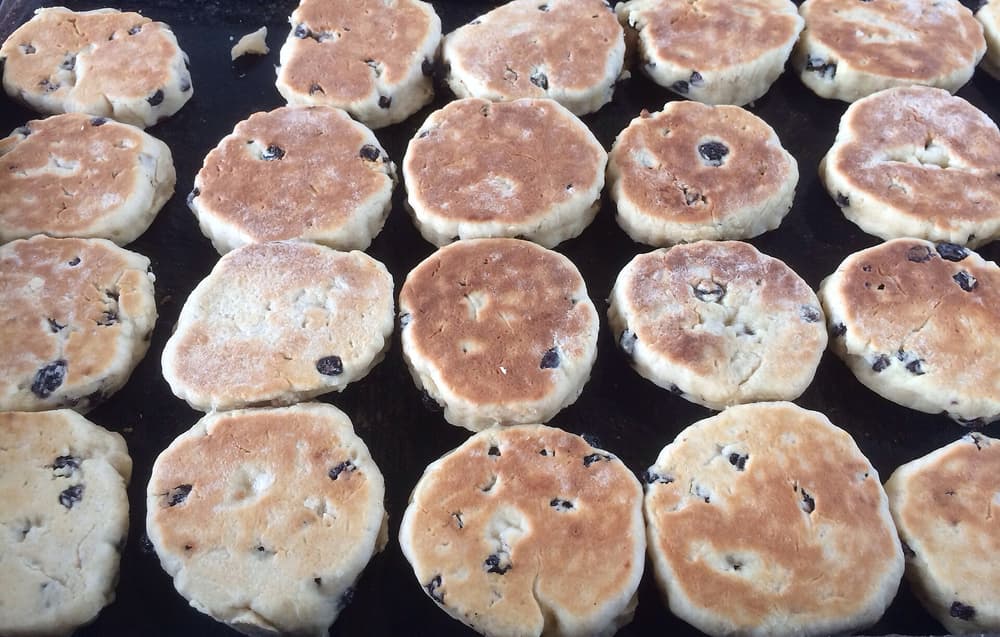
Look for Welsh lamb and beef, cawl (a lamb and vegetable stew), Welsh rarebit, bara brith (a fruit loaf), Welsh cakes and laverbread with cockles. Wales also has a growing number of craft breweries, a whisky distillery at Penderyn and good farm cheeses such as Caerphilly.