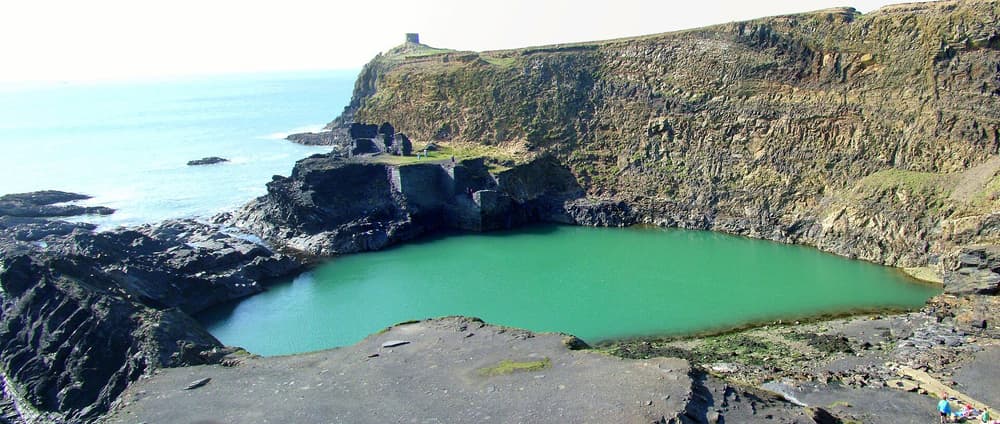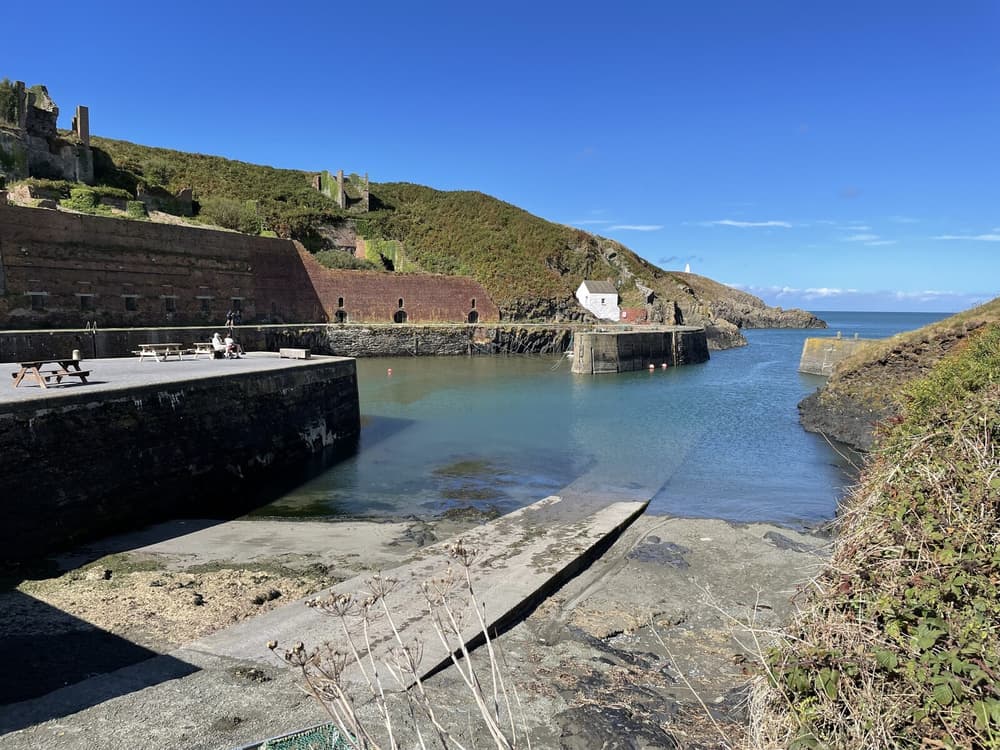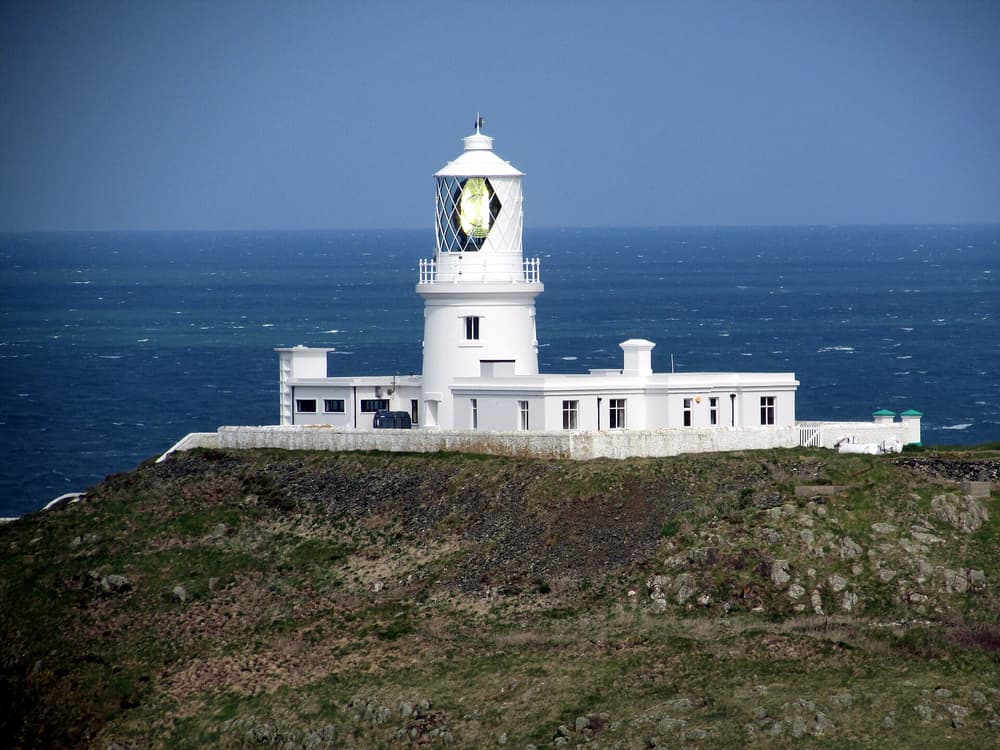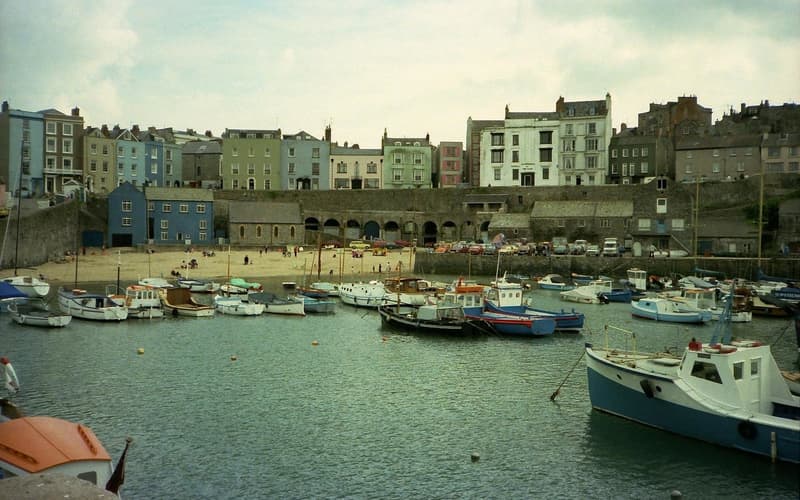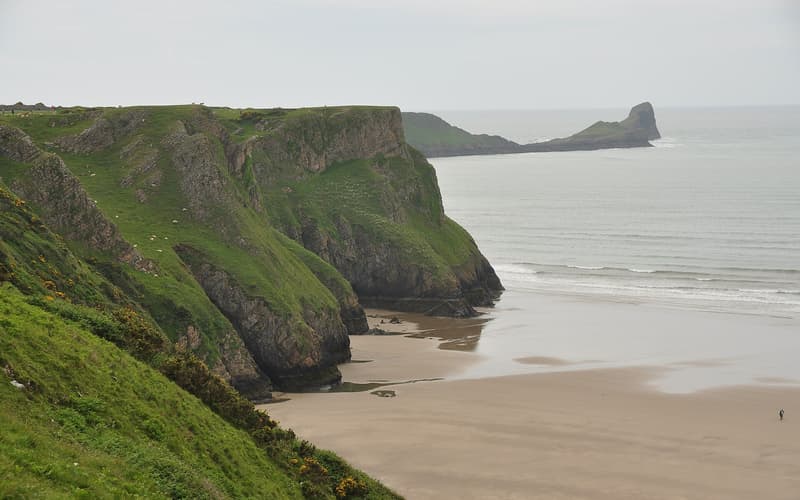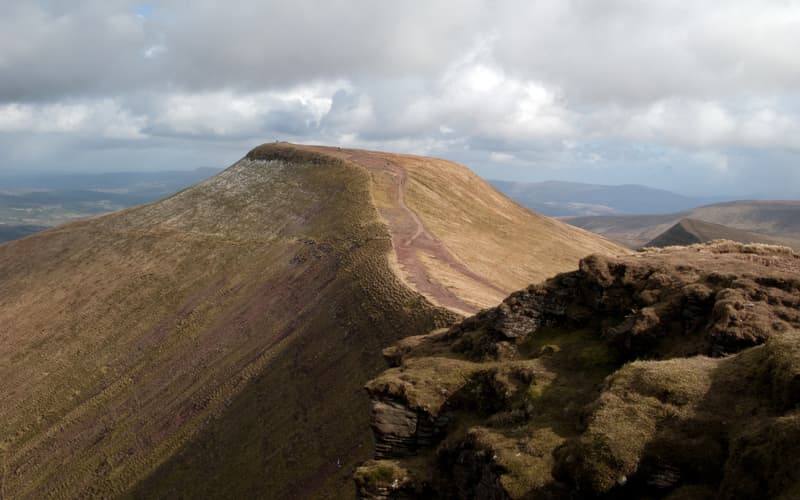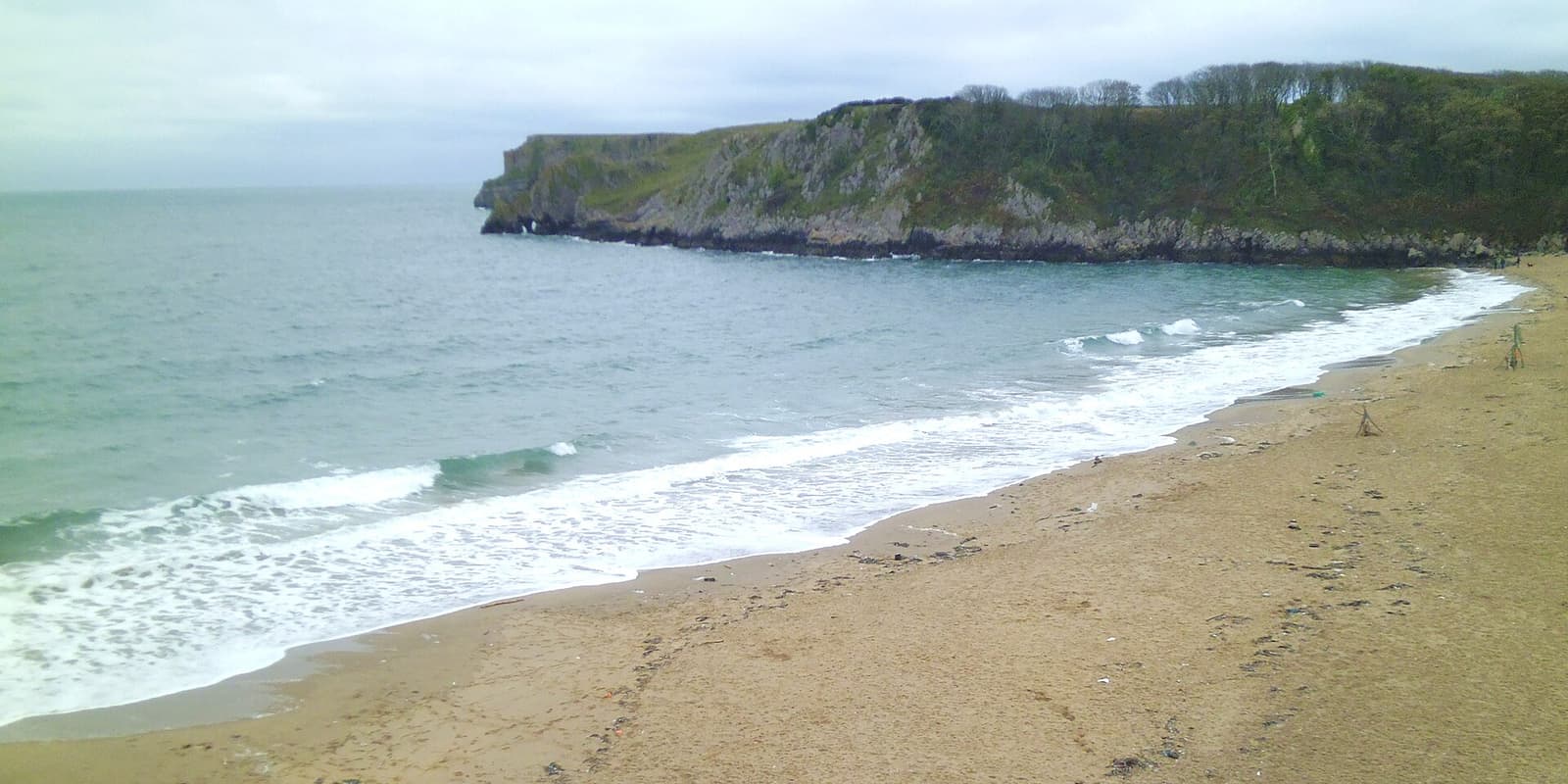
The Pembrokeshire Coast National Park, created in 1952, is the only national park in Britain designated mainly for its coastline. The Pembrokeshire Coast Path follows it for about 300 km, past red and grey cliffs, sandy bays, Iron Age forts and harbour villages.
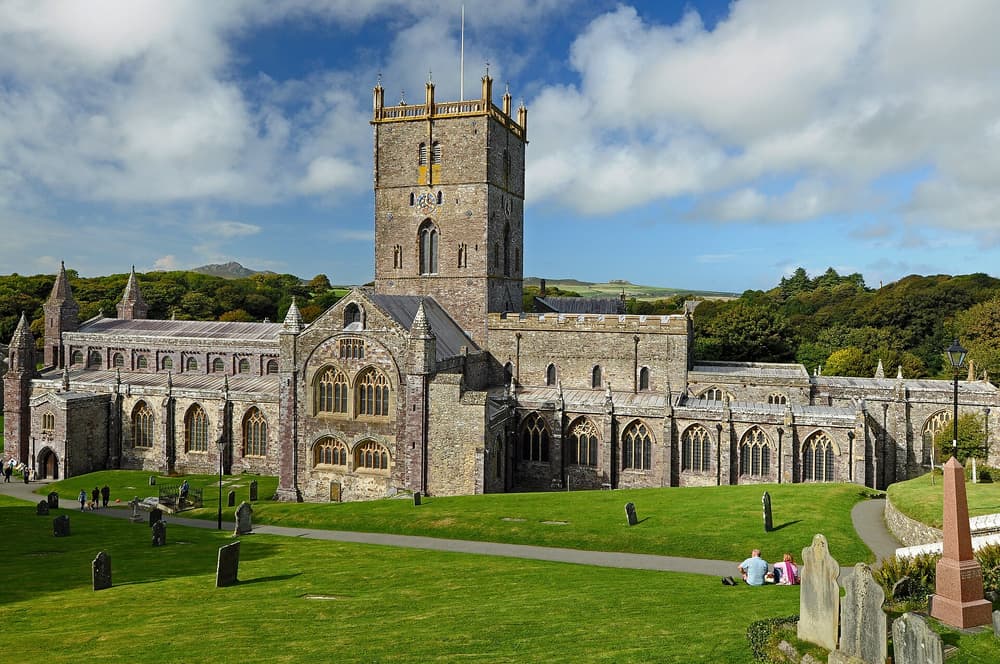
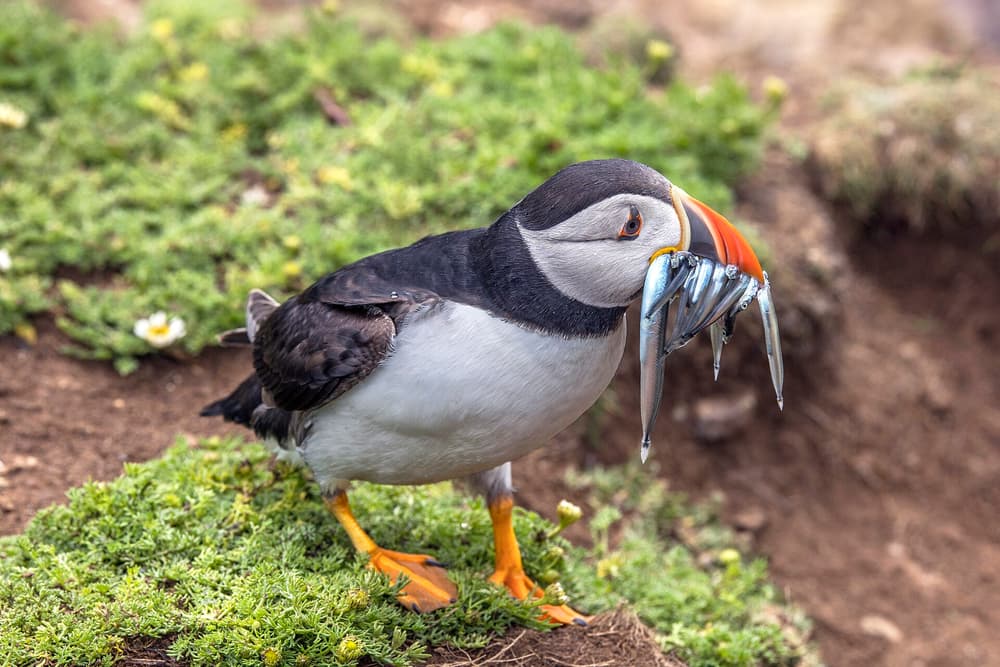
In the far west is St Davids, Britain’s smallest city, built around the shrine of the patron saint of Wales. Offshore, the islands of Ramsey, Skomer and Skokholm are home to seals, seabirds and, in spring and early summer, thousands of puffins. The resort of Tenby lies on the south coast and has its own guide.
Highlights
- St Davids: the cathedral, the ruined Bishop’s Palace and St Non’s chapel.
- Skomer Island: puffins at close quarters from about April to July.
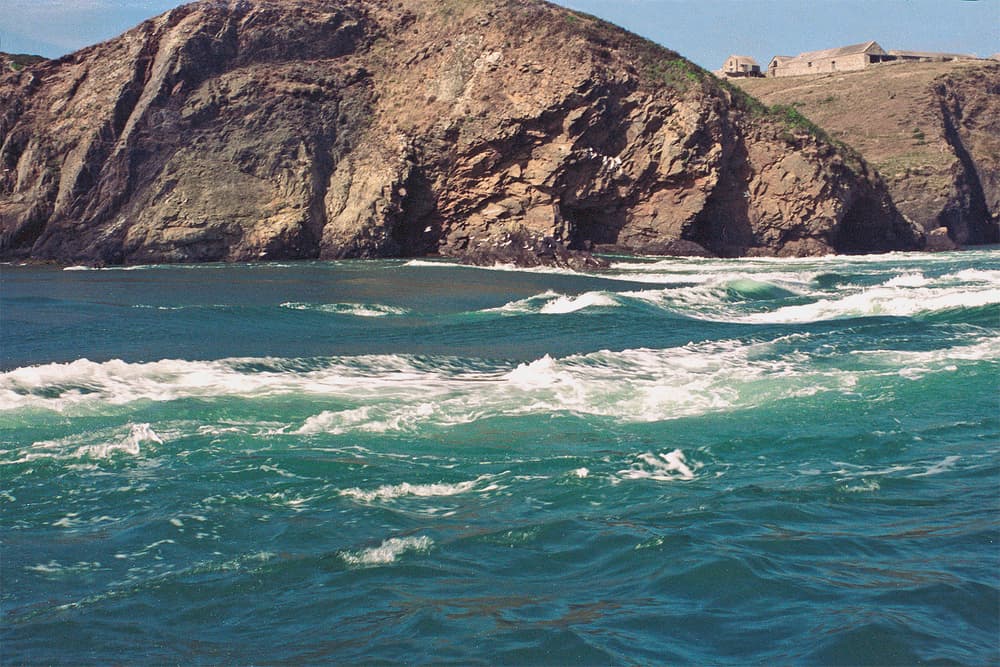
- Ramsey Island boat trips: seals, sea caves and tidal rapids.
- Barafundle Bay: a dune-backed cove reached only on foot.
- Pembroke Castle: birthplace of Henry VII, the first Tudor king.
- Coasteering: the cliff-jumping sport that was developed on this coast.
Quick facts
| Where | South-west Wales |
|---|---|
| Coast path | About 300 km (186 miles) |
| From Cardiff | About 2.5–3 hours by train or car |
| Ideal stay | 3–5 days |
| Best for | Beaches, wildlife, coastal walking |
| Getting around | Car, or seasonal coastal shuttle buses |
How long to stay & where to base yourself
Give it three to five days. Split your stay between St Davids in the north-west (islands, cathedral, wild cliffs) and the south coast around Tenby and Stackpole (beaches, castles). Distances are short on the map but roads are slow and winding.