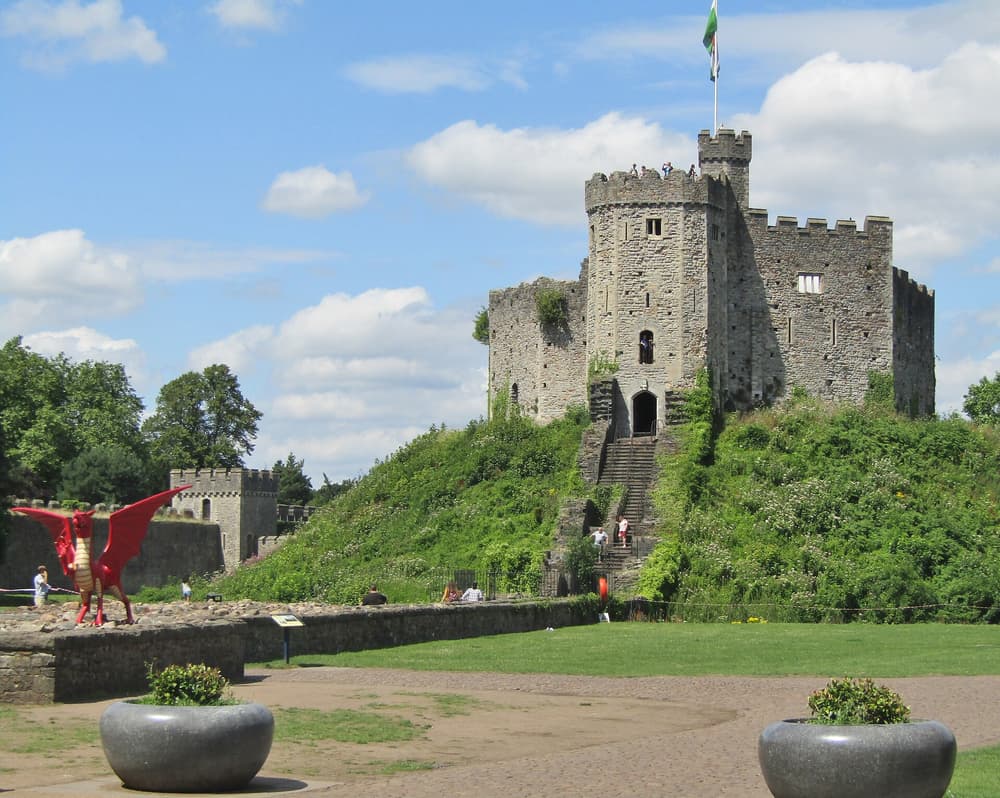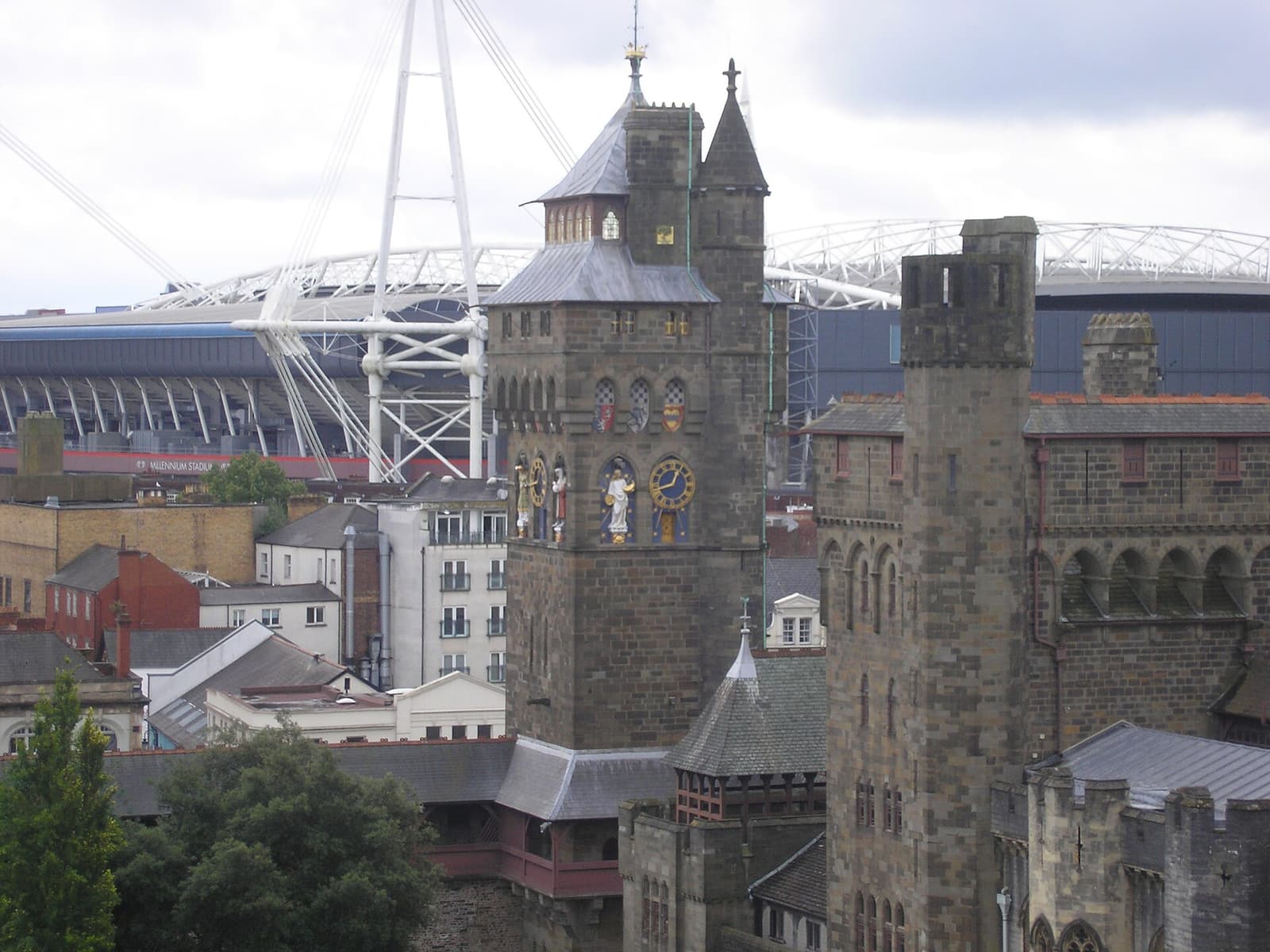
Cardiff (Caerdydd in Welsh) grew from a small town into one of the world’s great coal ports in the nineteenth century, and became the capital of Wales only in 1955. The coal money paid for the extravagant Victorian rooms of Cardiff Castle, the white civic buildings of Cathays Park and the glass-roofed shopping arcades that still thread through the centre.
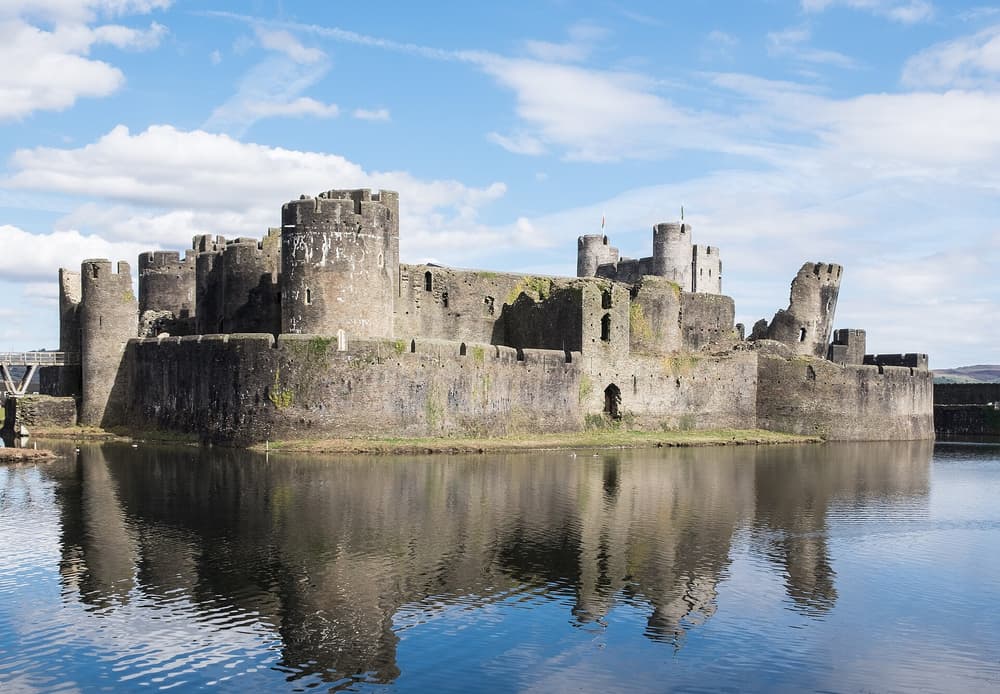
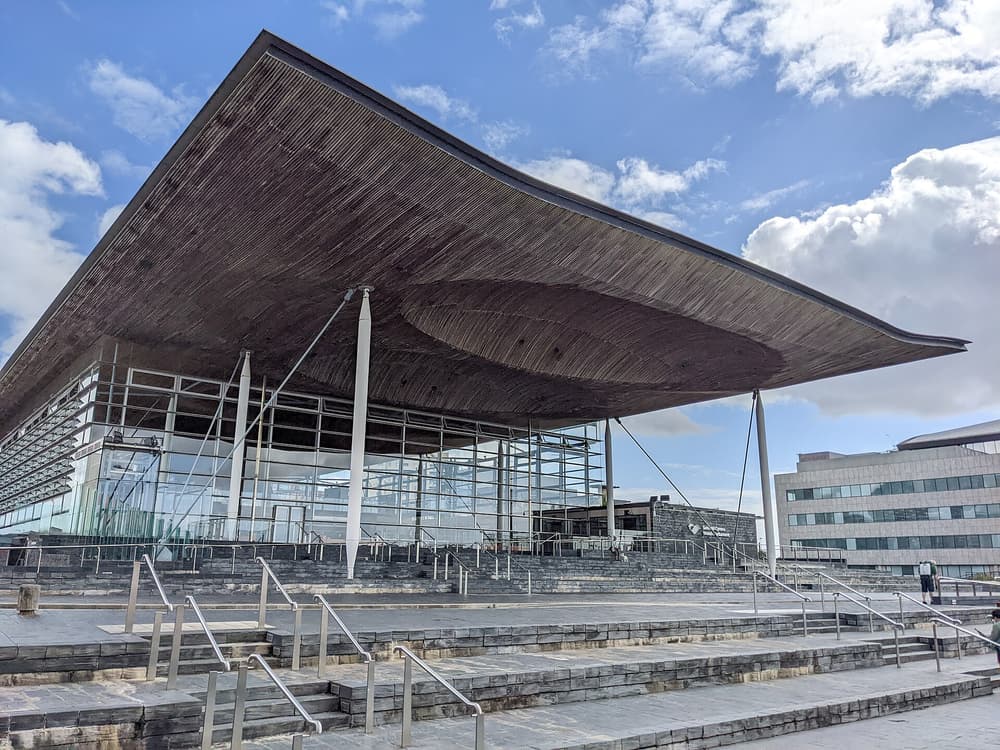
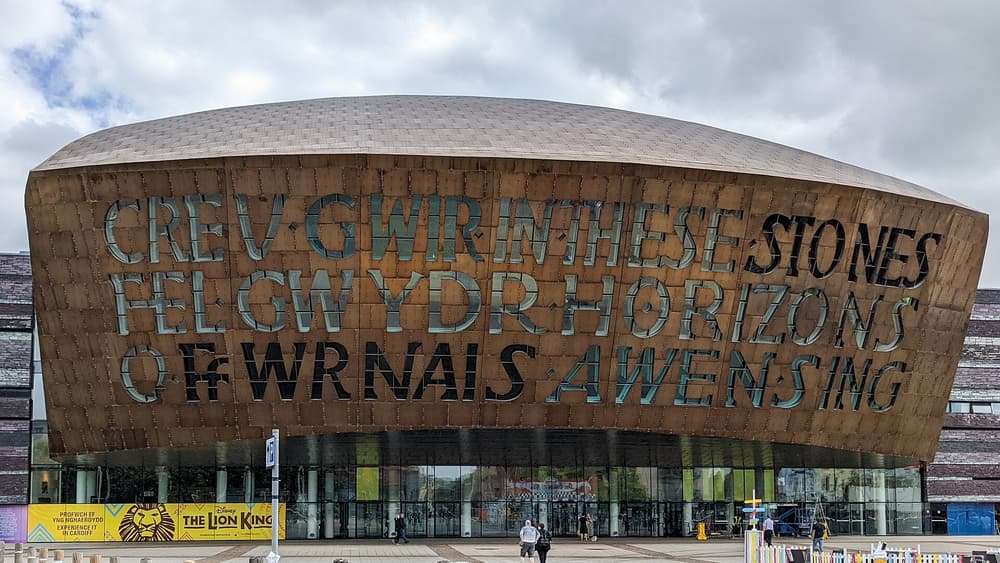
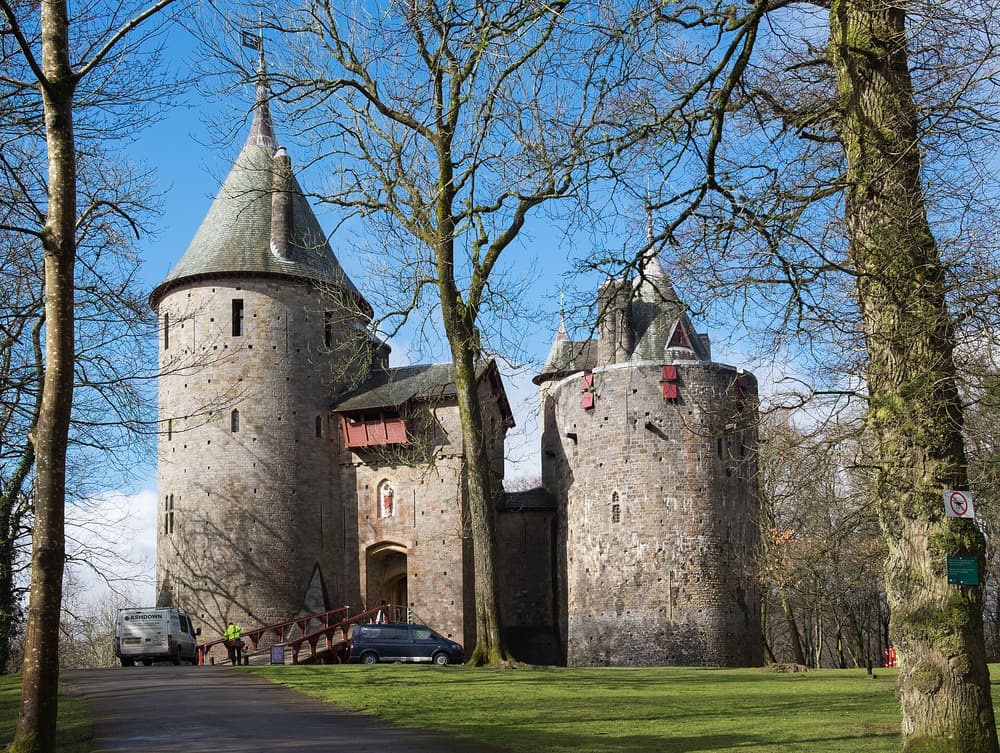
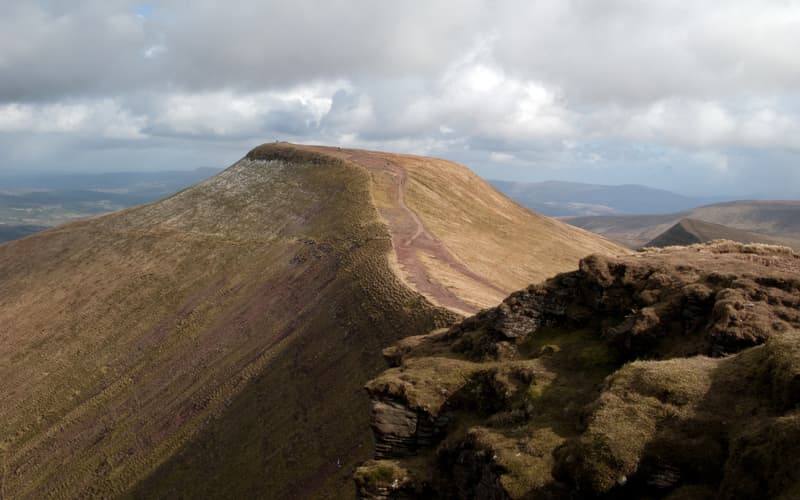
Today the old docks have become Cardiff Bay, with the Senedd (the Welsh Parliament), the Wales Millennium Centre and a waterfront promenade. The city is also the natural base for southern Wales: Gower, the Brecon Beacons, Castell Coch and Caerphilly Castle are all within about an hour.
Highlights
- Cardiff Castle: a Norman keep plus lavish Victorian Gothic interiors.
- Cardiff Bay: the Senedd, the Millennium Centre and the barrage walk.
- National Museum Cardiff: art, natural history and Welsh archaeology, free to enter.
- St Fagans: an open-air museum of rebuilt Welsh houses, chapels and workshops.
- The arcades and Cardiff Market: independent shops and Welsh cakes.
- Castell Coch and Caerphilly: two very different castles just north of the city.
Quick facts
| Where | South-east Wales, on the Bristol Channel |
|---|---|
| Currency | Pound sterling (GBP) |
| From London | About 2 hours by direct train |
| Ideal stay | 2–3 days, plus day trips |
| Best for | Castles, museums, rugby, city breaks |
| Getting around | On foot, by bus and by local train |
How long to stay & where to base yourself
Give the city two days: one for the castle, the museum and the arcades, one for Cardiff Bay and St Fagans. Add a day or two for trips to Castell Coch and Caerphilly, the Brecon Beacons or Gower. Stay in the city centre for walking access to everything, or in Cardiff Bay for the waterfront.