Wales has a mild, wet climate with no real extremes. May, June and September offer the best mix of weather, daylight and space; July and August are warmest and busiest.
The seasons
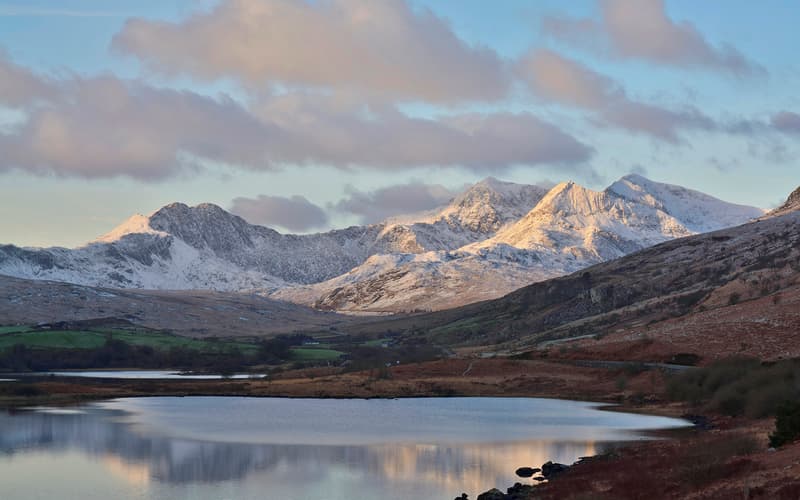
Spring brings lambs, bluebells and seabirds, with May often one of the driest months. Summer highs are usually around 18–22 °C, with long evenings. Autumn starts warm by the sea and turns stormy by November. Winter is mild on the coast but cold, wet and windy in the mountains, with snow on the summits.
| Month | Avg high / low | What to expect |
|---|---|---|
| January | 8 / 3 °C | Wet and quiet; low prices |
| February | 9 / 3 °C | Six Nations rugby in Cardiff |
| March | 11 / 4 °C | St David’s Day on 1 March; daffodils |
| April | 14 / 6 °C | Lambs; attractions reopen at Easter |
| May | 17 / 9 °C | Often dry and bright; bluebells and puffins |
| June | 20 / 11 °C | Long days; Hay Festival ends early in the month |
| July | 22 / 13 °C | Peak season; Royal Welsh Show |
| August | 21 / 13 °C | Peak season; National Eisteddfod |
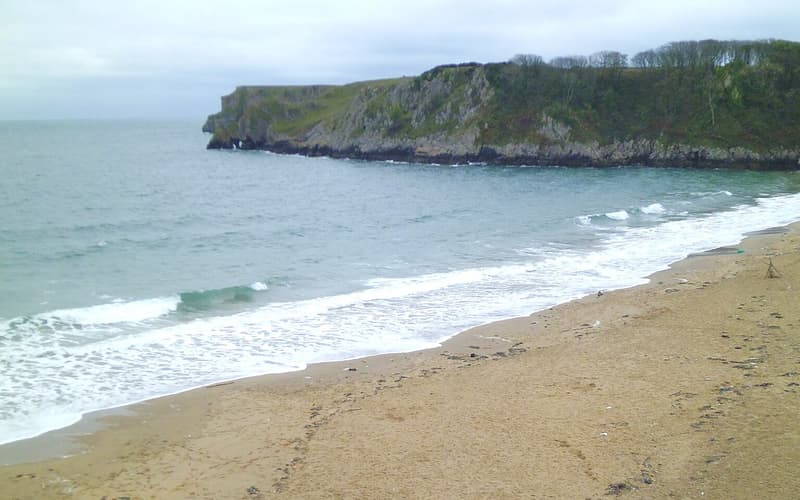
| September | 19 / 11 °C | Warm seas; food festivals |
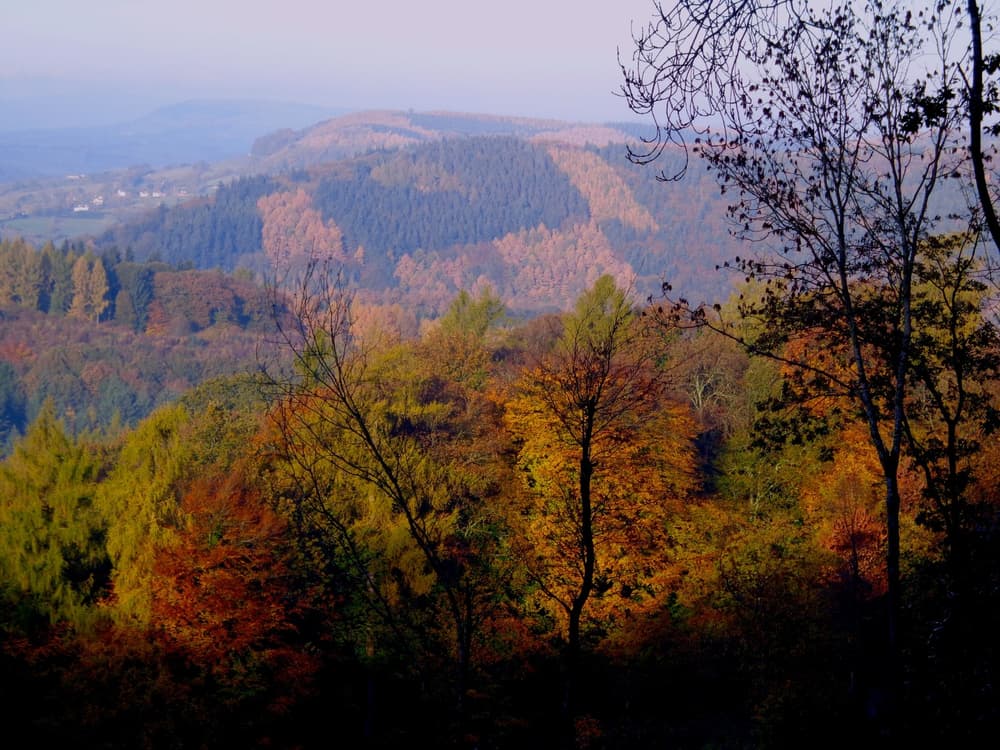
| October | 15 / 8 °C | Autumn colour; wetter |
| November | 11 / 5 °C | Stormy and quiet |
| December | 9 / 3 °C | Christmas markets; short days |
Figures are approximate long-term averages. The mountains are several degrees colder and much wetter.
Festivals and events
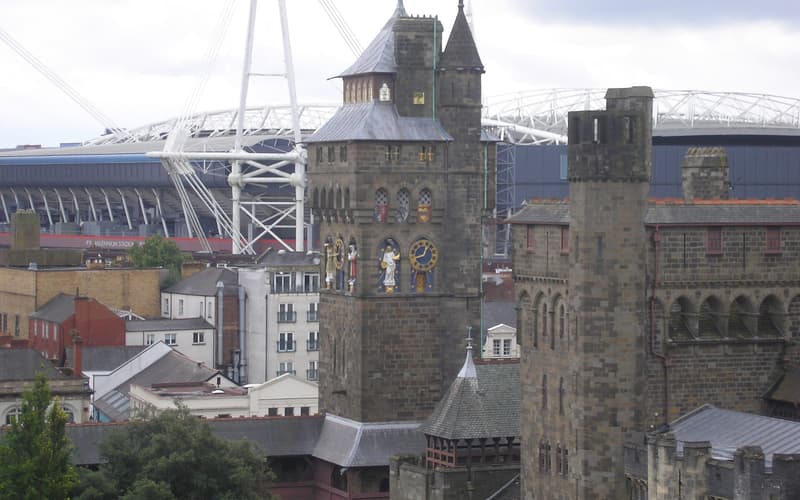
- February–March: Six Nations rugby at the Principality Stadium in Cardiff.
- 1 March: St David’s Day, the national day, with parades and daffodils.
- Late May–early June: Hay Festival in Hay-on-Wye.
- July: the Royal Welsh Show at Builth Wells and the Llangollen International Musical Eisteddfod.
- Early August: the National Eisteddfod, a festival of Welsh music and poetry held in a different place each year.
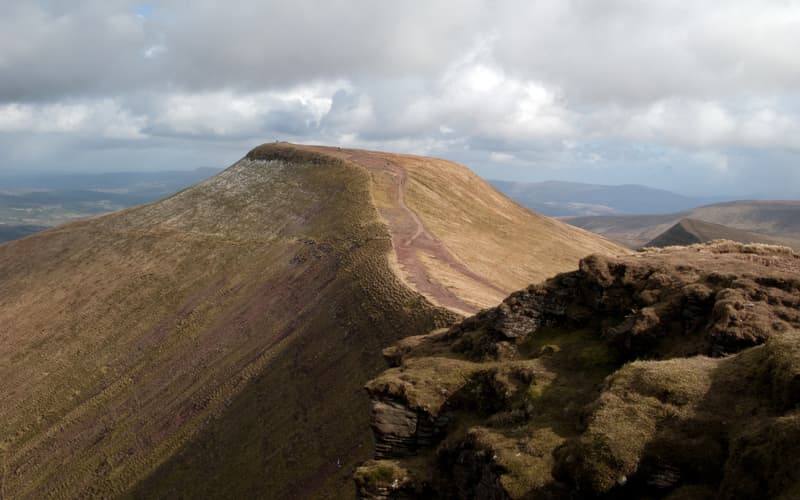
- September: Abergavenny Food Festival near the Brecon Beacons.
Avoiding the crowds
The busiest times are the school summer holidays (late July to early September) and bank-holiday weekends. Visit popular mountains and beaches early in the day or midweek, book accommodation well ahead for August, and consider June or September instead.