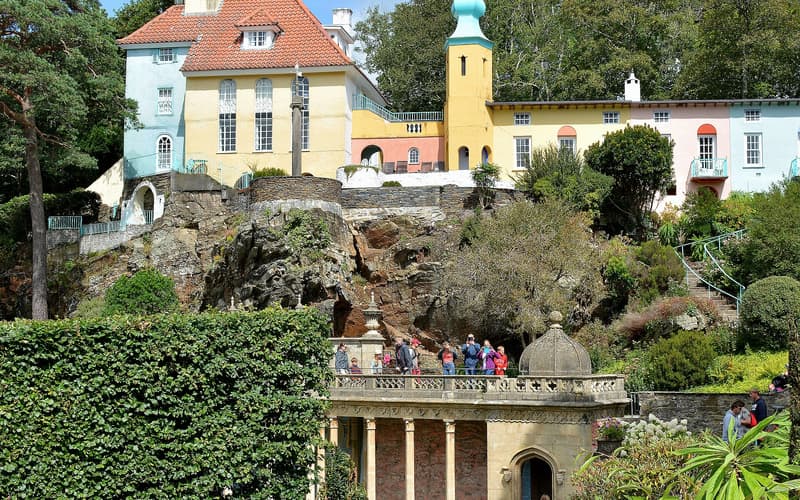
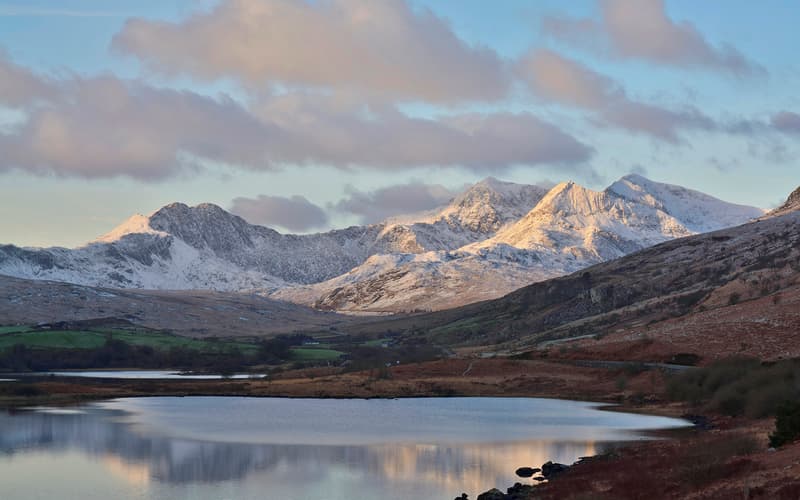
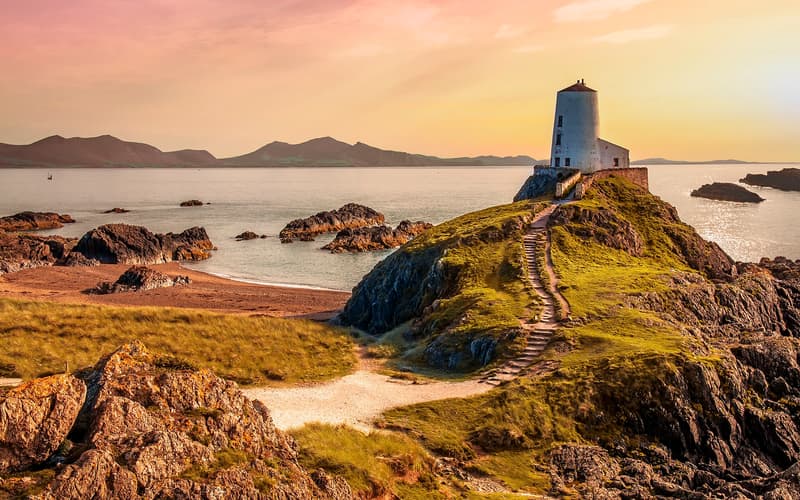
The north coast (Nefyn, Porthdinllaen) is wild and rocky; the south coast (Abersoch, Criccieth, Pwllheli) is gentler and more developed; the tip around Aberdaron is the most remote.
1 Porthdinllaen
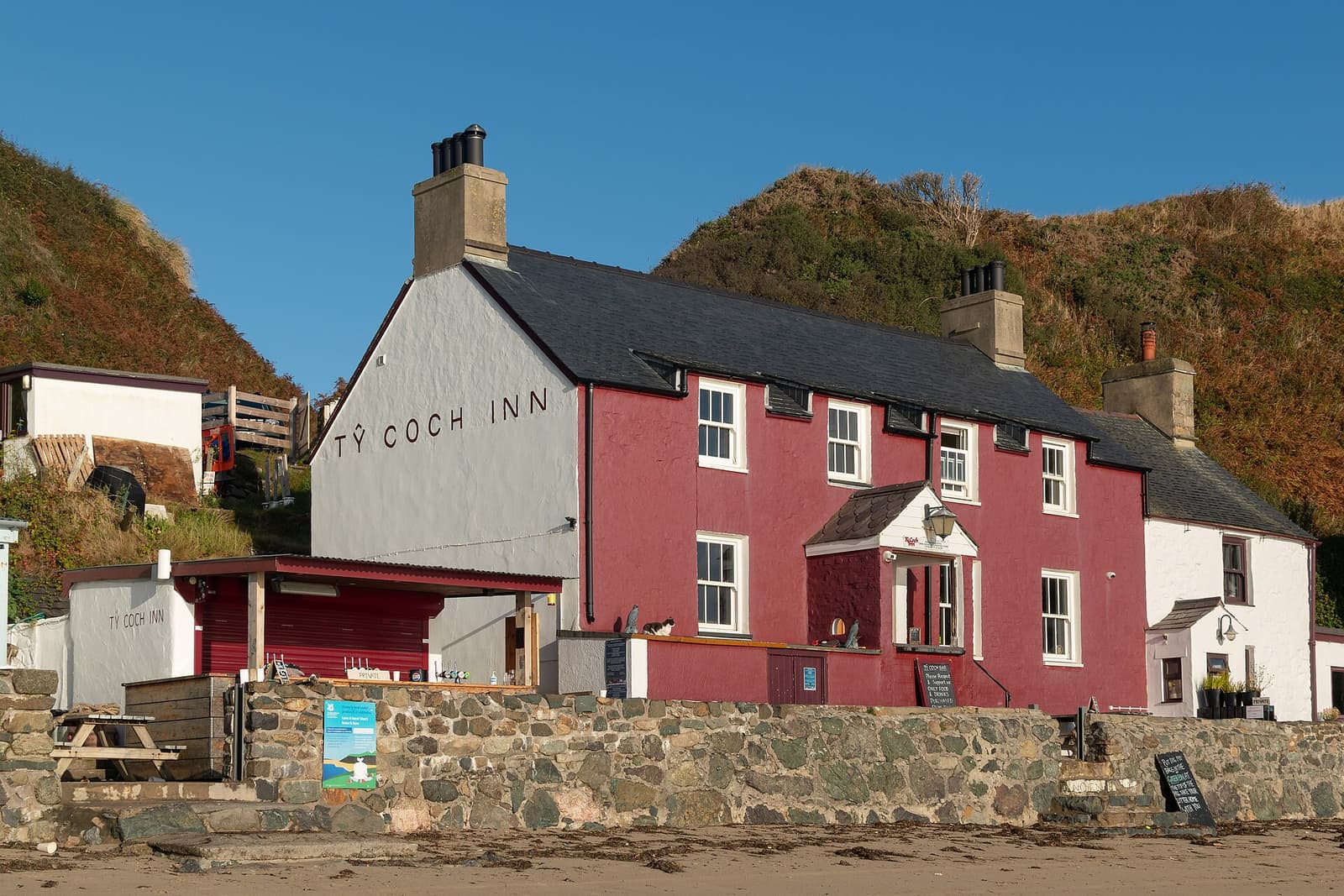
A tiny fishing hamlet on a curving beach, owned by the National Trust, with the Tŷ Coch Inn on the sand. Seals often bask on the rocks of the headland.
Practical: No cars to the beach: walk along the sand from Morfa Nefyn or across the headland (about 20–30 minutes).
2 Aberdaron
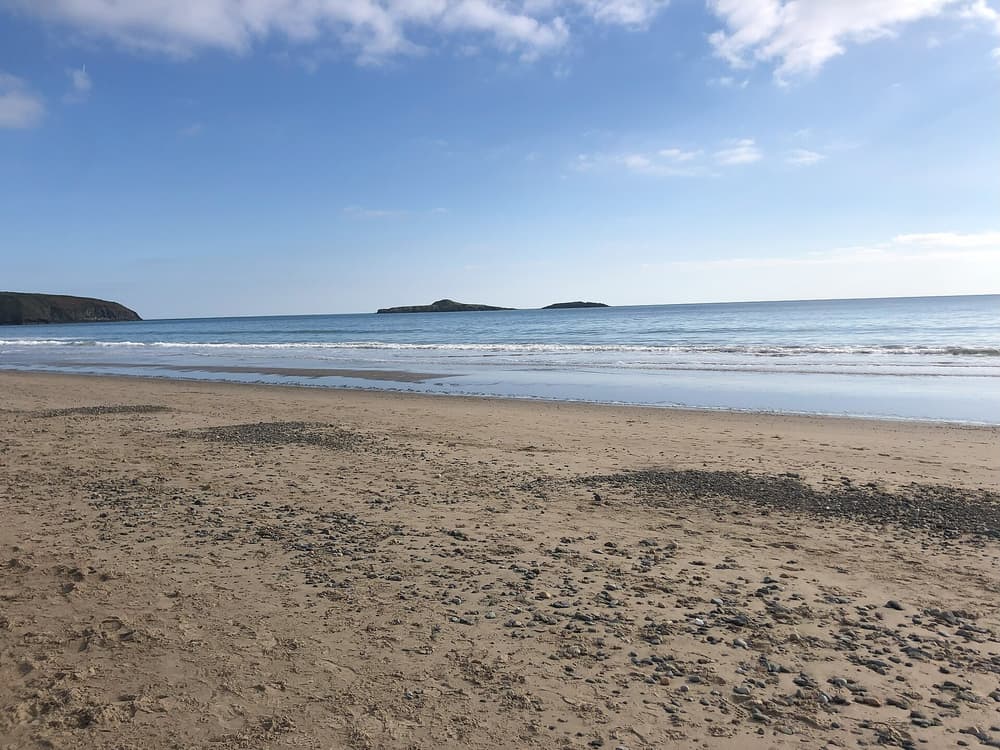
Whitewashed cottages around a bay at the end of the peninsula, with the medieval church of St Hywyn on the beach and Y Gegin Fawr, a building where pilgrims once ate before crossing to Bardsey.
Practical: Free; small car park. Cafés and a bakery.
3 Bardsey Island (Ynys Enlli)
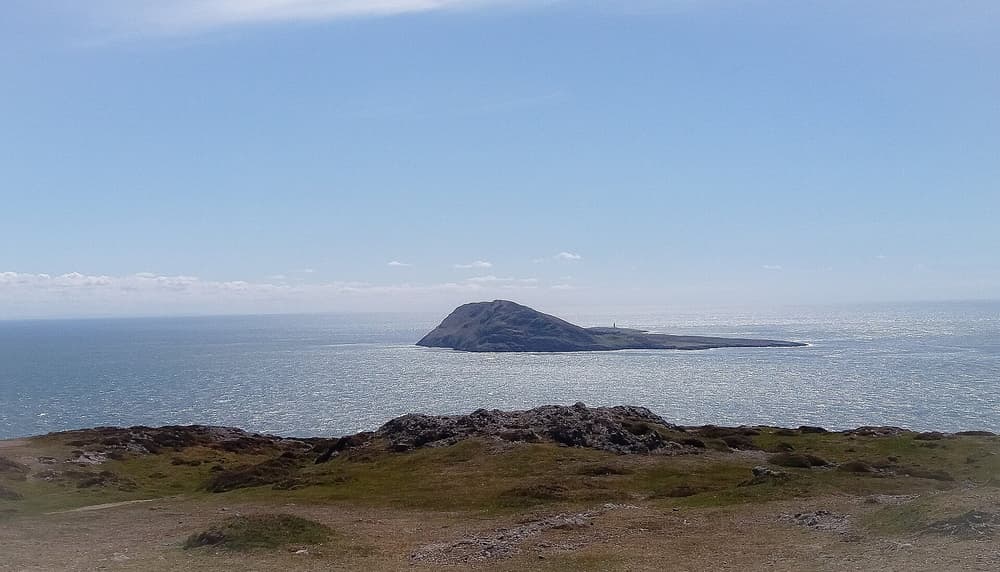
A small island across a fierce tidal sound, where a monastery stood from early medieval times. Three pilgrimages to Bardsey were said to equal one to Rome. Today it is home to seals, seabirds and a handful of residents, and it has been recognised for its dark skies.
Practical: Seasonal day trips by boat from Porth Meudwy; weather permitting.
4 Criccieth Castle
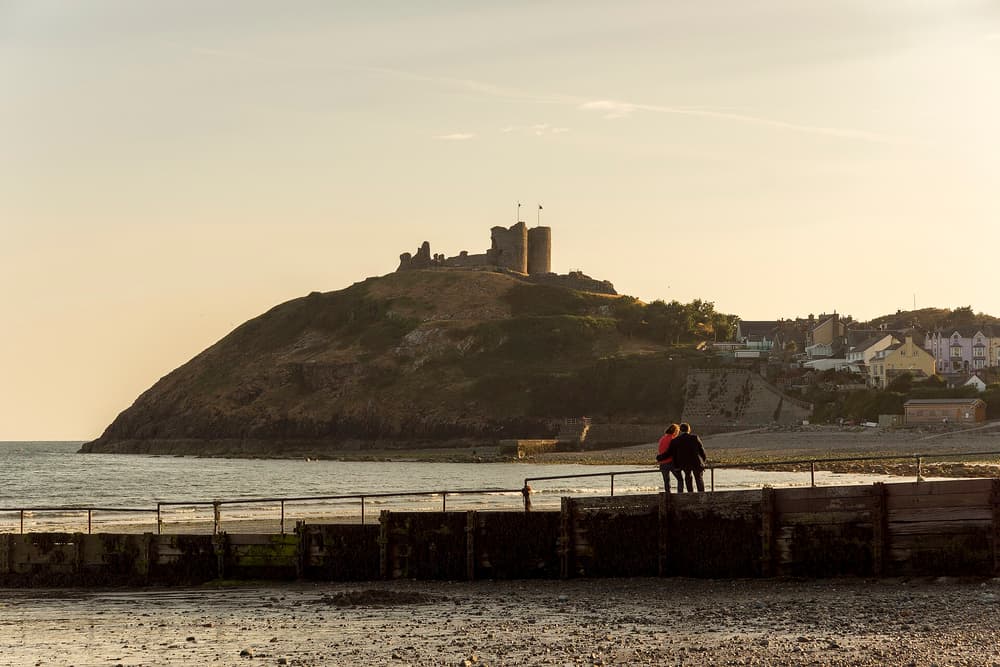
Built by the Welsh prince Llywelyn the Great and later strengthened by Edward I, the castle stands on a headland between two beaches with views across Cardigan Bay to Harlech.
Practical: Cadw site; ticketed in season. Criccieth has a station on the Cambrian Coast line.
5 Nefyn and the north coast
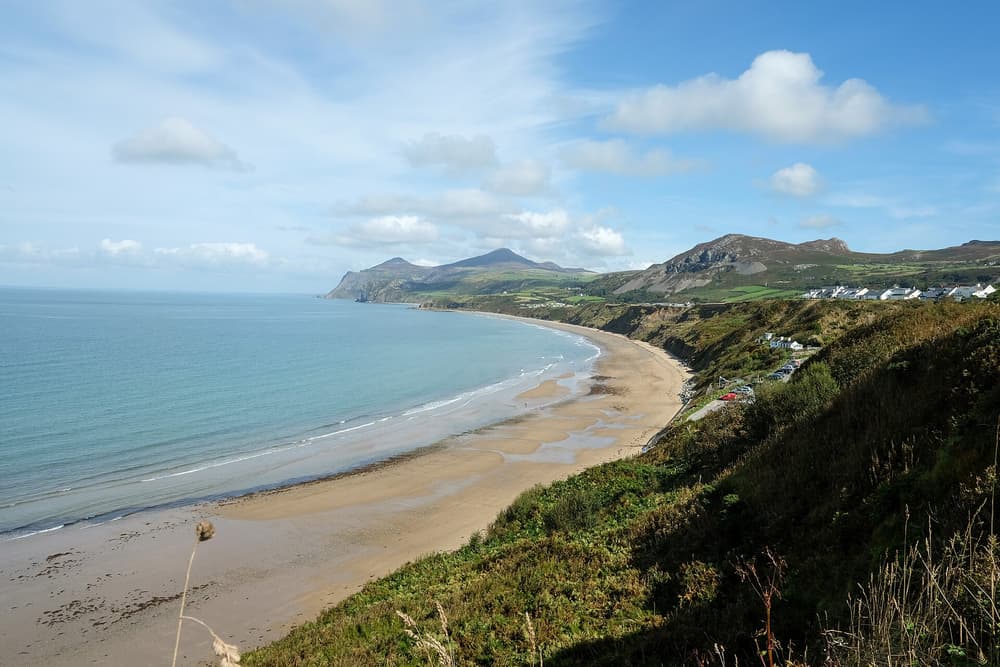
Long sandy bays below steep slopes, with a small maritime museum in Nefyn. Further west, Porth Oer is known as Whistling Sands for the squeak of its sand underfoot.
Practical: Free; National Trust parking at Porth Oer (fee).
6 Abersoch
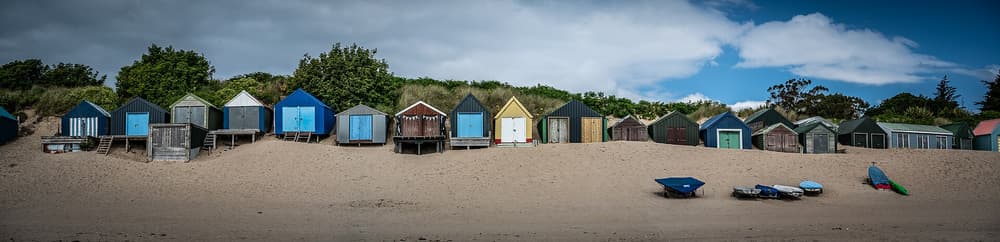
The peninsula’s sailing and beach resort, with colourful beach huts, a harbour and cafés. Nearby Porth Neigwl (Hell’s Mouth) is a long surf beach.
Practical: Busy in summer; parking can be difficult.